The part that gets lost in the megawatts: sound, air, water, light. Here's what the local conditions promise, and what reporters found at the biggest sites already running.
Updated September 15, 2026 · these conditions were adopted with the rezoning on September 14
dB
Stop 2 · the sound
A number that hides its size
Project Delta · Stokes
A rural night out there runs around 30 decibels: crickets, wind, a distant dog. The first Stokes application proposed allowing 70 decibels at the property line, and neighbors pushed back hard. The conditions refiled in July moved the numbers, and the commissioners adopted them with the rezoning on September 14. Next to land zoned non-residential it's still 70. But next to homes, the cap is now 60 by day and 50 at night, with an extra cap on low-frequency hum and a 5-decibel penalty if the noise carries a tone. Showing up moved a number.
A RURAL NIGHT, TYPICAL
~30 dB(A) · a whisper
ALLOWED AT NIGHT, NEXT TO HOMES
50 dB(A) · 10 pm to 7 am · a refrigerator's hum
ALLOWED BY DAY, NEXT TO HOMES
60 dB(A) · 7 am to 10 pm · normal conversation
ALLOWED NEXT TO NON-RESIDENTIAL LAND
70 dB(A) · around the clock · a vacuum cleaner running
measured at the exterior property line, sustained 15 minutes or more, from the zoning conditions adopted September 14, 2026 · binding on the project as approved
Those bars look close together. They aren't, because decibels multiply instead of adding. Every 10 dB means ten times the sound energy. Plot the same four numbers as actual sound energy and the picture changes completely.
the same four caps, plotted as sound energy relative to a 30 dB rural night · the decibel scale is logarithmic, so equal-looking steps multiply: every 10 dB is 10× the energy
That's why the difference between 50 and 70 at a property line is not "a bit louder." And it's why the tightened residential caps were worth fighting for: on the energy scale, 50 is one one-hundredth of 70.
You don't have to guess what living next to one of these is like. PBS sent a crew to two of the biggest AI data centers in the country, the ones this guide keeps using as reference points, and talked to the people across the road.
At OpenAI's Stargate campus outside Abilene, Texas, 1,100 acres and about 4 million square feet of buildings, the site runs on-site gas turbines: ten so far, with dozens more planned. Omaira Garcia lives nearby.
"We have to change our filters... every two weeks 'cause they're completely filthy."
"We weren't even included in this process."
Omaira Garcia, Stargate neighbor · PBS
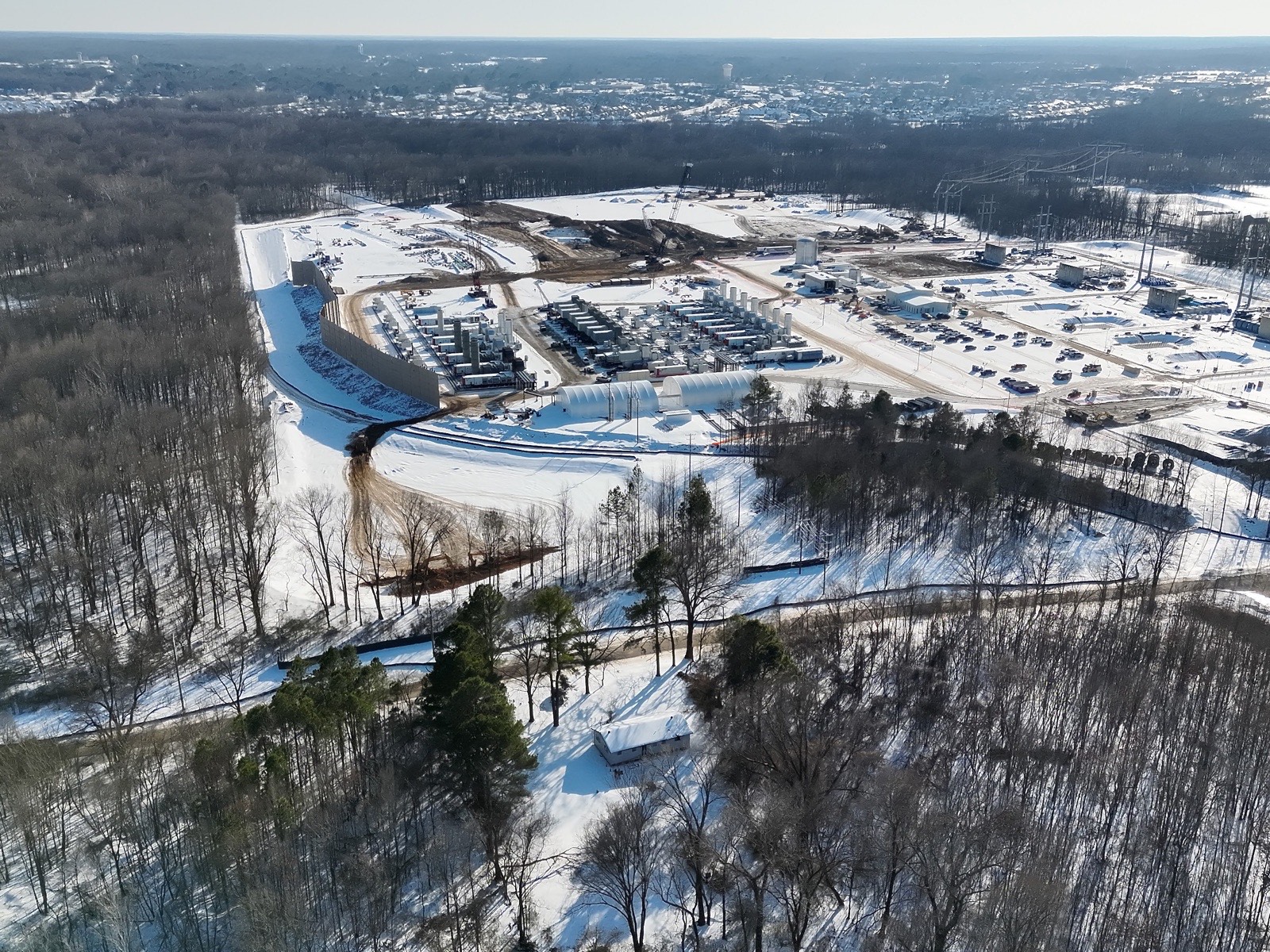
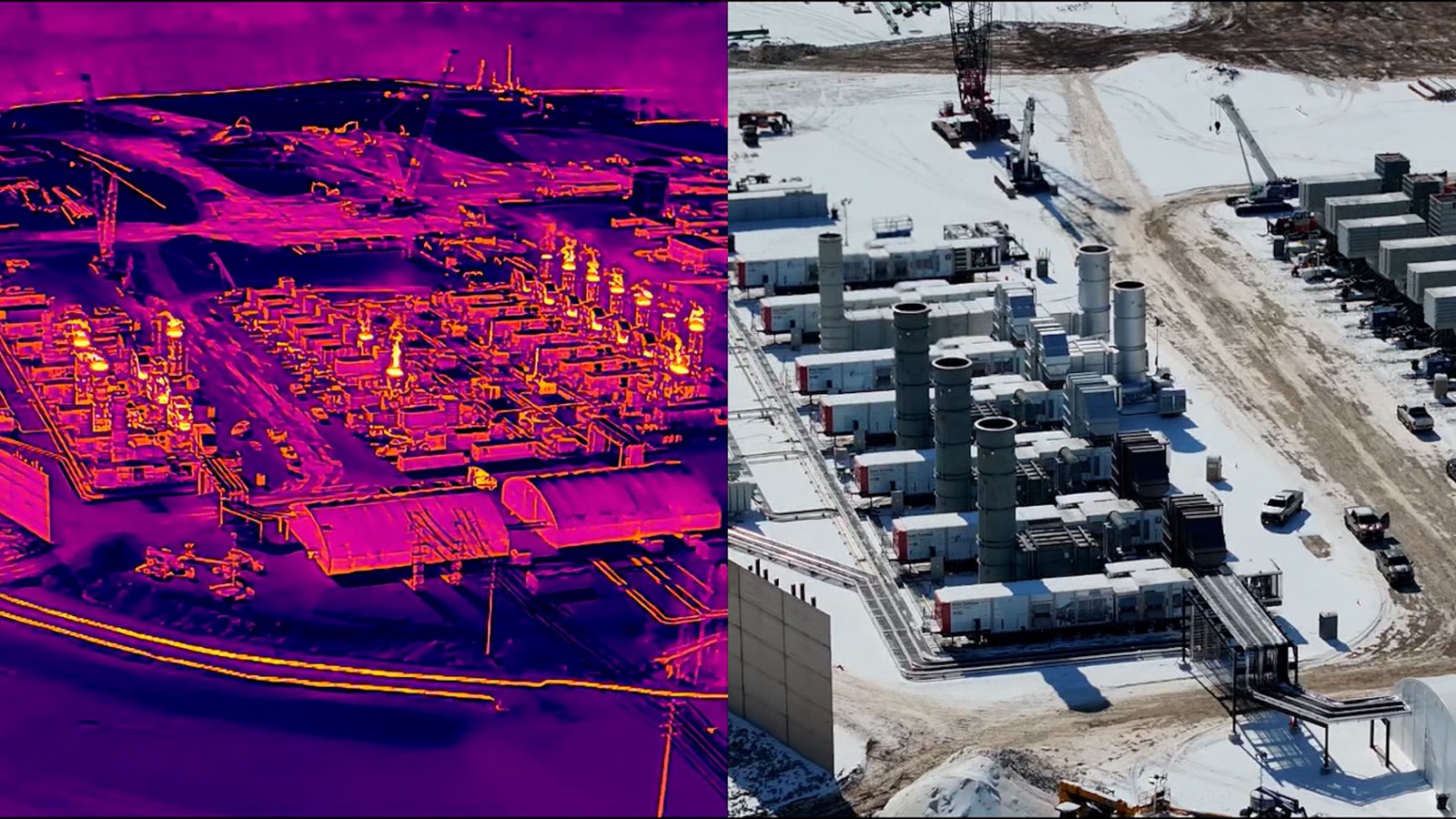
Near xAI's Colossus in the Memphis area, the company argued its gas turbines were "temporary power sources" that didn't need air permits. When regulators said otherwise, Floodlight's thermal drone cameras still caught turbines running. Krystal Polk lives across the street from the gas plant xAI built in Southaven, Mississippi, just over the state line.
"Krystal Polk's family home (foreground) sits directly across the street from xAI's gas plant in Southaven, Miss." · photo: Evan Simon / Floodlight, republished per Floodlight's terms
"I'm severe asthmatic, as well as some of my children."
She told PBS she emptied her house of furniture because of the pollution, and that she didn't learn the plant was coming "until it was actually here."
Krystal Polk, Southaven neighbor · PBS
"Left: Thermal drone imagery captured by Floodlight shows more than a dozen unpermitted turbines operating at xAI's gas plant in Southaven, Miss. Right: Standard aerial image of the same site." · photo: Evan Simon / Floodlight, via Capital B News
A former Texas environmental regulator, now with the watchdog group Public Citizen, told PBS the plain version: agencies cannot sufficiently regulate an industry expanding this fast. That's the context for every promise in every application, including the ones here. Conditions on paper are only as good as the enforcement behind them.
How many generators? How much fuel? The honest answer is the problem: the filings don't say. At the July public information meeting, neighbors asked about the quantity, capacity, and fuel types of potential generators, and about the safety of fuel storage. The applicant's own written report lists those questions among the topics discussed. The filed documents put numbers on none of it. To be fair, the industry frames on-site generation as a bridge while grid connections catch up, not a forever plan. But Memphis shows what the bridge era looks like when nobody writes the rules down first, and the question a rezoning should answer is how long a bridge is allowed to be, and how big.
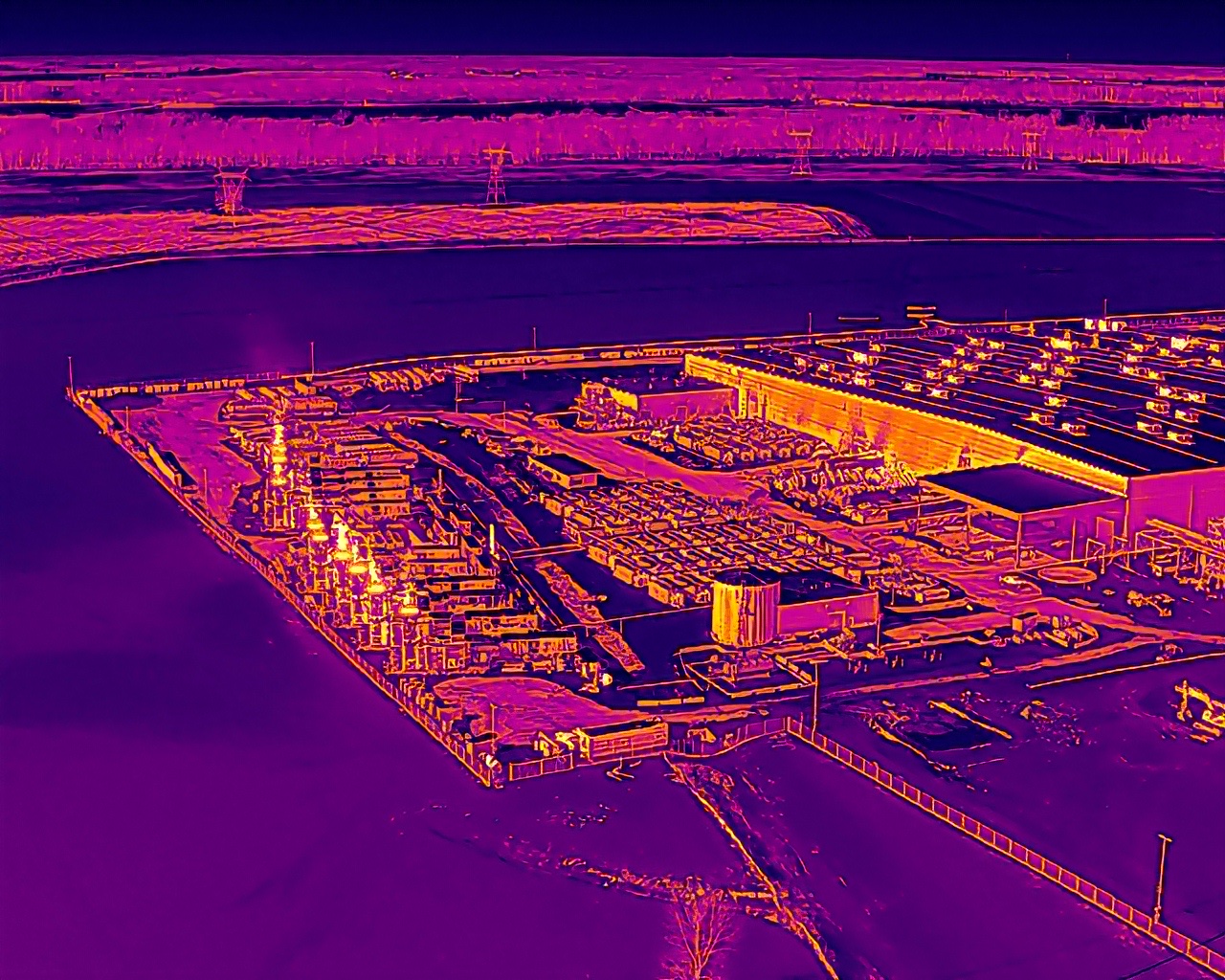
"Thermal drone imagery captured by Floodlight in late January shows some of the 15 permitted turbines operating at xAI's Colossus 1." · photo: Evan Simon / Floodlight · this is what "backup" hardware looks like when it runs
And here's what the conditions do say about fuel. The same July document that caps noise to the decibel, in about three pages of definitions and testing protocols, handles fuel in a list of permitted accessory uses introduced "including, without limitation": "fuel and water storage," four words, with no quantity, no cap, and no standard attached anywhere in the conditions. Fire codes and state permits would bolt numbers on later, but the zoning the county actually votes on sets no limit of its own.
The adopted conditions do put rules around this hardware: generators at least 300 feet from the property boundary, testing limited to weekday business hours with noise attenuation in place. They also ban open-loop cooling and any direct withdrawal from streams, rivers, wells, or aquifers. Conditions 3 and 4, if you want to read them yourself.
 ← the whole picture